
Preventing Radicalisation

The Prevent Strategy

fundamental-british-values-768x432_1.png

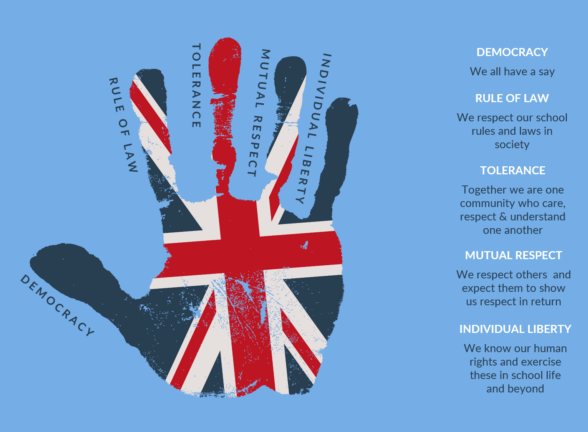
In the UK, the Prevent strategy works to stop people from becoming involved in terrorism or supporting extremist ideas. It promotes the fundamental British values of democracy, the rule of law, individual liberty and mutual respect and tolerance of different faiths and beliefs. Schools help teach and model these values so children develop resilience and are well prepared for life in modern Britain.

The Prevent Duty requires schools to have “due regard to the need to prevent people from being drawn into terrorism”. This means staying alert to risks, responding swiftly to concerns and helping pupils build the knowledge and critical thinking skills to recognise and reject extremist influences. Protecting children from radicalisation is a safeguarding responsibility, just like protecting them from any other harm.

What is radicalisation and extremism?

Radicalisation is the process through which a person comes to support terrorism or extremist ideologies. This definition is set out in the UK Government’s Prevent Duty Guidance, which explains that radicalisation involves someone being influenced to adopt harmful beliefs linked to extremist or terrorist groups.

Extremism, according to the UK Government, is “the support or promotion of an ideology based on violence, hatred or intolerance that aims to deny or destroy the rights and freedoms of others or undermine the UK’s democratic system”. Extremism can include vocal or active opposition to fundamental British values such as democracy, the rule of law, individual liberty and mutual respect and tolerance of different faiths and beliefs. 

Both extremism and radicalisation can affect children and young people, especially when they are exposed to harmful ideas online, through social media or within their community. As a school, we recognise that protecting pupils from these risks is a key part of our safeguarding responsibilities.

prevent_2.png

What are the concerns about radicalisation?

The UK definition of terrorism recognises that vulnerable people, including children and young people, can be targeted and exploited. Extremist groups may try to influence or manipulate individuals who are most at risk, encouraging them to support or take part in activities linked to terrorism. This influence can happen in many ways, such as online, through social media, or in person.

Another concern is the gradual acceptance or normalisation of extreme or harmful views. If children are exposed to these ideas repeatedly, they may become less aware of the risks or more easily influenced in the future. This can make them more vulnerable to extremist thinking or behaviour.

As part of our safeguarding responsibilities, we are committed to identifying these risks early and responding effectively. Our staff are trained to notice changes in behaviour, concerning patterns, or exposure to inappropriate materials. When worries arise, we follow clear safeguarding procedures to ensure pupils receive the right support quickly and appropriately.


What are the indicators that may suggest a child is at risk?

risk.png

While there is no single sign that a child is at risk of radicalisation, certain changes in behaviour may raise concerns. These indicators do not necessarily mean a child is being radicalised, but they may suggest that further support is needed. Staff remain alert to signs such as:

  • Sympathy for extremist views
  • Glorifying violence or hostility towards other groups
  • Talking about attending extremist events
  • Possessing extremist or illegal materials
  • Sharing messages linked to extremist groups
  • Sudden changes in dress, behaviour or friendships
  • Secretive behaviour
  • Searching for or sharing extremist content online
  • Intolerance of others’ beliefs or identities
  • Work or writing containing extremist ideas
  • Trying to impose extremist views
  • Advocating violence

The internet gives children access to a wide range of information and communication, but some online content can be harmful. Extremist groups sometimes use websites, videos, games and social media to spread their views and target vulnerable people, so we stay alert to the online risks our pupils may encounter.

At Fishponds CE Primary, we treat exploitation and radicalisation as safeguarding concerns. We teach pupils how to stay safe online, recognise unsafe content and talk to a trusted adult if something worries them.

We also work hard to create a strong sense of belonging. When children feel valued and connected, they are less vulnerable to harmful influences. Our core Christian values help ensure every pupil and family feels part of our Fishponds community as we support children to grow into confident and resilient young people.

pr_1.png

What can I do if I have a concern?

If you have a concern about a child may be at risk of radicalisation then please contact a member of our Safeguarding team by phone - 0117 9030491 or email - safeguarding@fceps.org.uk. 

Further information on Radicalisation can be found on the Counter Terrorism Advice website or on the Bristol City Council Prevent leaflet.

If you have concerns and would like further advice you can also contact the Prevent Advice Line - 0800 0113764.

Contact Us

Our office is staffed from 7.45am to 4.00pm from Monday to Friday during term time.

Address

  • Fishponds Road, Fishponds, Bristol, BS16 3UH

Telephone Number